Guide 15 · All guides
Sovereign mint coin vs private-mint round on a product sheet
A sovereign coin is struck by a government mint and carries legal-tender status with a face value. A private round is struck by a private mint and has no face value at all. Both can contain the same troy ounce of .999 fine silver. The difference is who issued the piece and how it is packaged as money, not how much silver is inside.
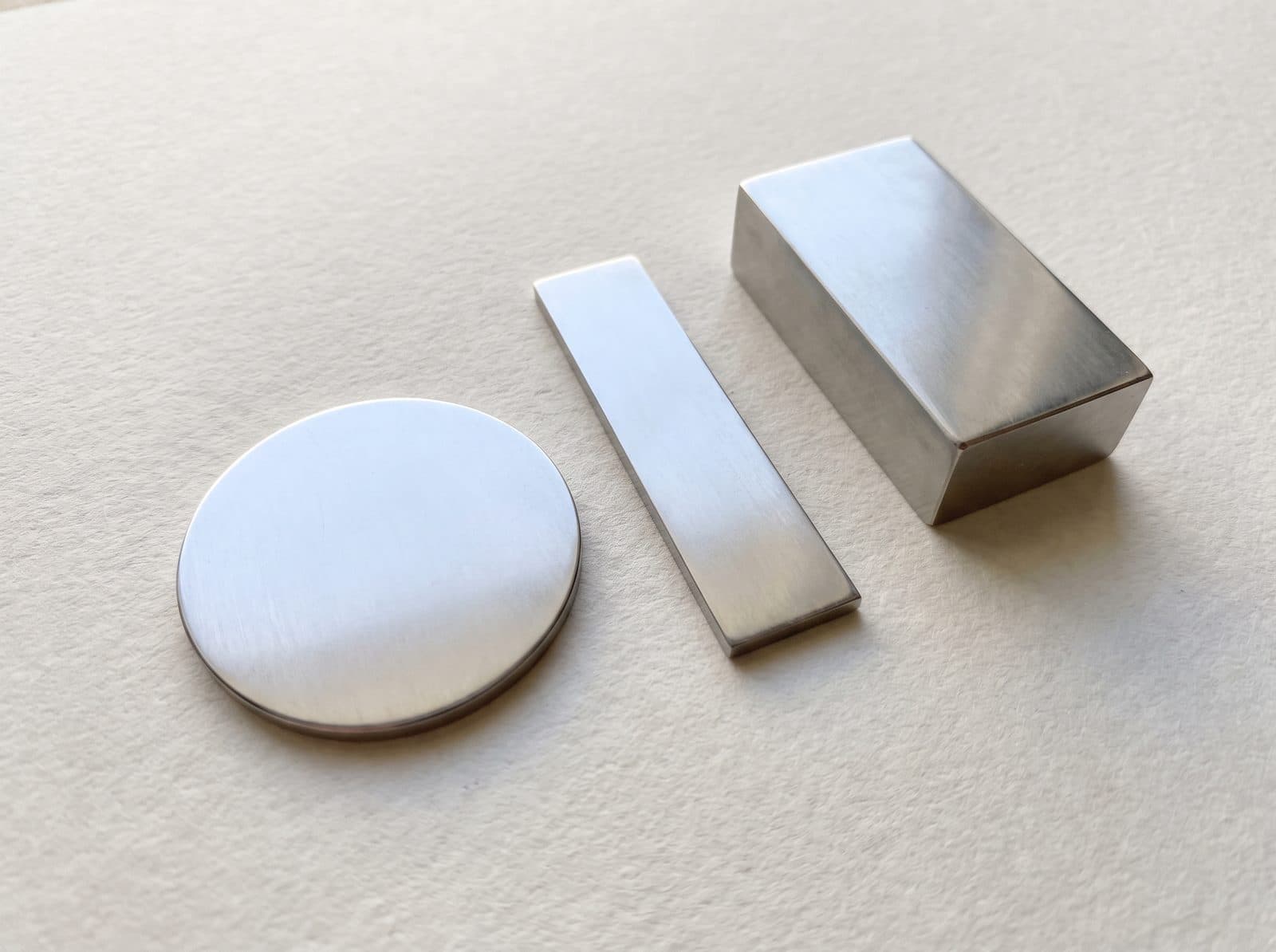
A sovereign coin is struck by a government mint and carries legal-tender status with a face value. A private round is struck by a private mint and has no face value at all. Both can contain the same troy ounce of .999 fine silver. The difference is who issued the piece and how it is packaged as money, not how much silver is inside.
This guide is a way to read the sheet. It is not a pick between the two.
Two questions on one sheet
Every bullion product sheet answers two separate questions, often in the same line of type:
- Who issued it, and in what legal wrapper? Government mint and legal tender, or private mint and no legal-tender status.
- What metal form is it? Weight in troy ounces, fineness, shape, and finish.
First-time readers tend to merge them. “Coin” sounds heavier, older, or more official. On the metal side, a 1 oz .999 round and a 1 oz .999 coin carry the same fine silver. On the issuer side, they are different objects. Keep the two questions apart and most product sheets get easier to read.
Figure. Two columns, same metal line. Left: Sovereign coin, issuer = national mint, legal tender = yes, face value = printed. Right: Private round, issuer = private mint, legal tender = no, face value = none. Bottom row, shared across both columns: 1 troy oz, .999 fine. Teaching marks only. Not a live quote. Not a product endorsement.
What “sovereign” tells you
A sovereign bullion coin comes from a national mint and is legal tender in its country at a stated face value. That face value is far below the metal. It is legal status, not the market price.
The American Silver Eagle is the usual U.S. example. It is defined in U.S. law (31 U.S.C. § 5112(e)) as one troy ounce of .999 fine silver with a one-dollar face value. The Canadian Silver Maple Leaf is struck by the Royal Canadian Mint at .9999 fine with a $5 Canadian face value. Other national mints strike their own 1 oz bullion coins on the same idea: a government mint, a stated ounce, a small face value.
What the legal-tender line gives you is an issuer you can name and a design that buyers see often. What it does not change is the melt arithmetic. A $1 face on a coin holding one troy ounce of silver is a legal wrapper around the ounce. See What a troy ounce means.
What “round” tells you
A round is a privately minted disc of silver. It usually shows a design, a stated weight, a fineness stamp, and often the mint’s hallmark. It is not legal tender, it has no face value, and it is not a government coin. Some sheets call them generic rounds, which usually means the design is not tied to a well-known mint program.
Most investment rounds are 1 troy ounce at .999 fine, though other sizes exist. Without a sovereign mint and a legal-tender program behind it, a round is metal with a picture on it. The mark that matters most on a round is the hallmark: who made it, what weight, what fineness. A clear mark from a mint buyers recognize reads differently on a resale sheet than an unmarked disc. See Silver purity, hallmarks, and fakes.
The metal lines read the same
Whether the sheet says coin or round, these lines work the same way:
- Fine silver content. Stated in troy ounces. “1 oz” on a bullion sheet means one troy ounce unless the seller clearly says otherwise.
- Fineness. .999, .9999, or on older U.S. coinage 90%. Melt math uses the fineness, not the design.
- Gross weight and dimensions. Useful for checking a piece against its stated spec.
- Finish. Bullion strike, proof, or another collector finish. A proof finish is a different market from bullion of the same design. See Proof finish vs bullion.
Melt value for either piece is the fine silver content times the spot reference the seller is using. The words “coin” and “round” do not appear in that arithmetic. See What spot price means.
Reading a sheet line by line
Read a product sheet in this order and each line lands in the right column:
- Issuer. A national mint, or a private mint? This is the sovereign-or-private line.
- Legal tender and face value. Present on a sovereign coin. Absent on a round. Either way, it is not the price.
- Fine silver content. Troy ounces of silver in the piece.
- Fineness. .999, .9999, or another stated purity.
- Year and design. Matters more to collectors than to melt.
- Finish. Bullion, or proof and other collector finishes.
- Packaging. Tube, capsule, sealed card, or loose. Packaging protects the piece. It does not add silver.
- Price and the extra over melt. Where the issuer line and the metal line meet the invoice. See How to read a dealer invoice.
Lines 1 and 2 tell you about the legal wrapper. Lines 3 and 4 tell you about the metal. Lines 5 through 8 tell you about the market the piece is sold in.
Where the two usually differ
The price gap between a sovereign coin and a round of the same weight and fineness lives in the premium, not the melt. Sovereign coins carry a government mint program, a legal-tender design, and wide recognition, and they usually cost more over melt than generic rounds. Rounds skip the sovereign program, so fabrication and brand cost are usually lower. This guide does not print a typical premium for either. Premiums move. See Silver premiums, explained.
Recognition shows up again when you sell. The bid that matters is the buyer’s bid for that product, that quantity, that day. A buyer who sees a widely known coin every day may bid it without extra questions. A buyer looking at an unfamiliar round may want a test first. That is a description of how resale conversations tend to go, not a verdict on either form. See Bid vs ask and Selling physical silver.
Coins, rounds, bars, and 90% silver side by side: Stacking basics: coins, rounds, and bars. Where collector pricing starts: Bullion vs numismatic.
FAQ
Is a sovereign coin more silver than a round?
Not by default. A 1 oz .999 coin and a 1 oz .999 round carry the same fine silver. Read the fine content and fineness lines, not the word “coin.”
Does legal-tender status set the price?
No. The face value is legal status, far below the metal. The price is melt plus a premium.
Is a round legal tender?
No. A round is a privately minted disc with no face value.
Why do coins usually cost more over melt than rounds?
A government mint program, a legal-tender design, and wide recognition. Rounds skip that program. The metal can be identical.
Can a round be a fake and a coin be real, or the other way around?
Either form can be counterfeited. The hallmark, weight, and dimensions are the checks, not the word on the sheet. See Silver purity, hallmarks, and fakes.
So which should I pick?
The guide does not say. It shows which line on the sheet answers which question.