Guide 16 · All guides
Cast bar vs minted bar on a product sheet
A cast bar is made by pouring molten silver into a mold. A minted bar is cut from a rolled sheet of silver and struck between dies, much like a coin. Both can hold the same troy ounces at the same fineness. The difference is how the bar was made, what it looks like, and how it is usually packaged, not how much silver is inside.
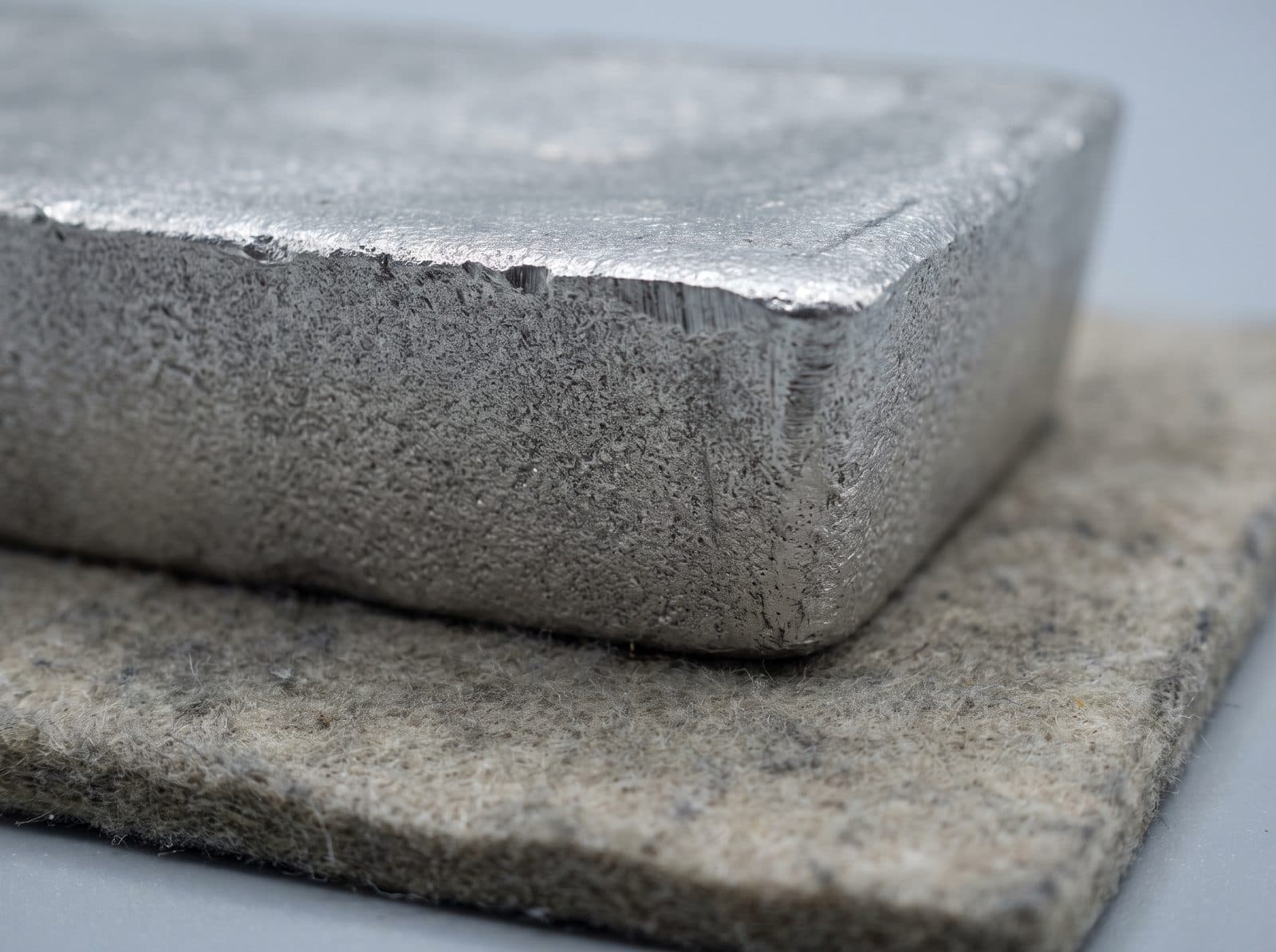
A cast bar is made by pouring molten silver into a mold. A minted bar is cut from a rolled sheet of silver and struck between dies, much like a coin. Both can hold the same troy ounces at the same fineness. The difference is how the bar was made, what it looks like, and how it is usually packaged, not how much silver is inside.
This guide shows how to read the sheet. It does not pick one.
Two ways to make a bar
A product sheet for a bar answers two separate questions:
- How was it made? Cast (also called poured) or minted (also called struck or stamped).
- What metal is in it? Weight in troy ounces and fineness.
The first question is about process and finish. The second is about melt. A 10 oz .999 cast bar and a 10 oz .999 minted bar carry the same fine silver. Keep the two questions apart and most bar listings get easier to read. For the same split on coins and rounds, see Sovereign mint coin vs private-mint round.
Figure. Two columns, same metal line. Left: Cast bar, made = poured into a mold, surface = textured or rippled, edges = rounded, stamp = pressed in after cooling. Right: Minted bar, made = cut from rolled silver and struck, surface = flat and even, edges = sharp, design = struck by dies. Bottom row, shared across both columns: stated troy ounces, stated fineness. Teaching marks only. Not a live quote. Not a product endorsement.
How a cast bar is made, and what it looks like
Molten silver goes into a mold and cools. That is the whole idea. Because the metal cools on its own, the surface often shows ripples, a frosty or grainy texture, or small shrink marks. Edges and corners tend to be rounded or slightly uneven. Two cast bars from the same maker can look a little different from each other.
The markings on a cast bar are usually stamped into the surface after it cools: the maker, the weight, the fineness, and on many larger bars a serial number. Some cast bars show only those stamps and no artwork.
Cast bars also vary more in their exact dimensions than struck pieces. That matters when you check a bar against the maker’s published spec with a scale and a caliper. “About” is normal for a poured bar. A large miss is not. See Silver purity, hallmarks, and fakes.
How a minted bar is made, and what it looks like
A minted bar starts as silver rolled to an even thickness. Blanks are cut from that strip to a set size, then struck between dies in a press. The result looks more like a large rectangular coin: flat faces, sharp corners, crisp lettering, and often a detailed design on one or both sides.
Because every bar comes off the same dies at the same size, minted bars of one product tend to look and measure alike. Some carry a mirror-like or frosted finish, the same kind of finish choice you see on coins. A special finish is a presentation choice, not extra silver. The idea is covered for coins in Proof finish vs bullion.
Markings: what both should show
Whether the sheet says cast or minted, a retail bar usually shows:
- the maker or refiner hallmark
- the stated weight
- the fineness, such as .999
- on larger bars, a serial number
Those marks are the maker’s claim about the bar. They are not a lab assay. The weight and fineness lines are what feed melt math. “10 oz” on a bullion bar means ten troy ounces of fine silver unless the seller clearly says otherwise. See What a troy ounce means.
A rougher surface on a cast bar does not make it more real, and a crisp minted face does not make it more real either. Texture is a process detail. Weight, dimensions, and the hallmark matter more.
Packaging and the assay card
Some bars come sealed in a card, often called an assay card, that repeats the maker, weight, fineness, and serial number. Minted bars are often sold this way. Cast bars are more often sold loose or in a simple sleeve, though some come carded too.
The card is packaging. The metal is the bar. A matching serial on the card and the bar is a consistency check, not a laboratory assay. Packaging can help a bar look tidy on a resale table. It does not add silver.
Reading a bar listing line by line
Read a bar listing in this order and each line lands in the right column:
- Maker or refiner. Who made it, and whose hallmark is on it.
- Process. Cast / poured, or minted / struck.
- Weight. Stated troy ounces (or grams or kilograms, converted to troy ounces for melt).
- Fineness. .999, .9999, or another stated purity.
- Serial number. Present on many larger bars. Check that it matches the card if there is one.
- Finish and design. Rippled cast surface, plain struck face, or a decorative design.
- Packaging. Loose, sleeve, or sealed assay card.
- Price and the extra over melt. Where process and packaging show up on the invoice. See How to read a dealer invoice.
Lines 3 and 4 are the metal. Lines 2, 6, and 7 are how it was made and presented. Line 1 and line 5 are the paper trail.
Where the two usually differ
The price gap between a cast bar and a minted bar of the same weight and fineness lives in the premium, not the melt. Striking, finishing, and carding take extra steps per bar, so minted bars often carry a slightly higher premium than cast bars of the same size. Size still matters more in most cases: larger bars of either kind usually cost less per ounce than small ones. This guide does not print a typical premium for either. Premiums move. See Silver premiums, explained.
Recognition matters again when you sell. The bid that matters is the buyer’s bid for that product, that quantity, that day. A clear hallmark from a maker buyers know reads differently than an unmarked block, whether it was poured or struck. That is a description of how resale conversations tend to go, not a verdict on either form. See Bid vs ask.
Bars next to coins, rounds, and 90% silver: Stacking basics: coins, rounds, and bars.
FAQ
Is a cast bar less silver than a minted bar?
Not by default. A 10 oz .999 cast bar and a 10 oz .999 minted bar carry the same fine silver. Read the weight and fineness lines.
Why does a cast bar look rough?
It was poured and cooled in a mold. Ripples, grain, and rounded edges are a normal result of that process.
Does an assay card prove the bar is real?
No. The card is packaging. A matching serial is a consistency check, not a lab assay.
Why can a minted bar cost more over melt?
Striking, finishing, and packaging add steps per bar. The metal can be identical.
Can either kind be faked?
Yes. Weight, dimensions against the maker’s published spec, and the hallmark are the checks, not the surface texture. See Silver purity, hallmarks, and fakes.
So which should I pick?
The guide does not say. It shows which line on the sheet answers which question.