Guide 14 · All guides
What a troy ounce means on a product sheet
A troy ounce is the weight unit precious-metals markets use for silver and gold. When a product sheet says “1 oz .999 fine silver,” it almost always means one troy ounce of fine silver, not the ounce you use for flour.
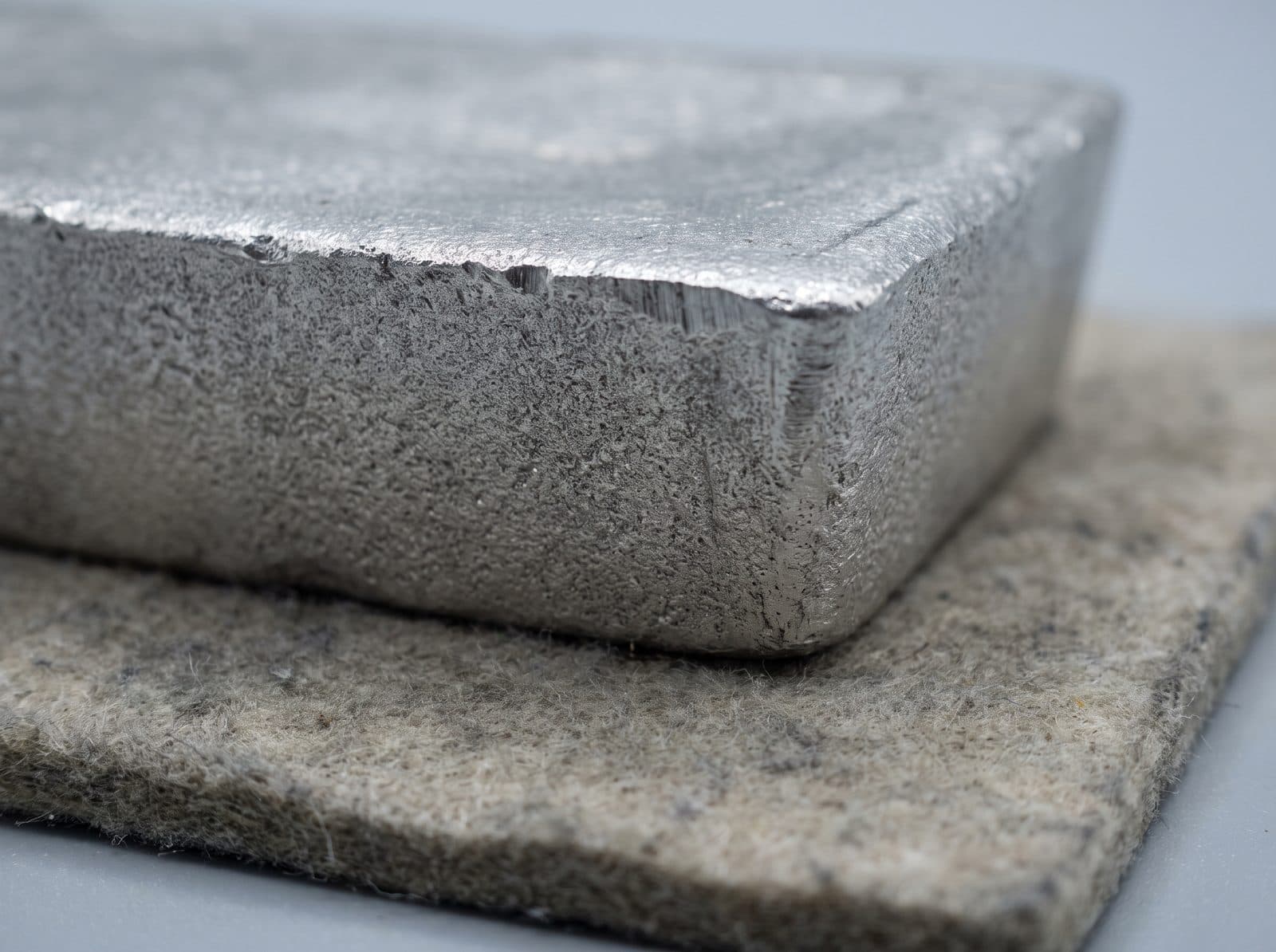
A troy ounce is the weight unit precious-metals markets use for silver and gold. When a product sheet says “1 oz .999 fine silver,” it almost always means one troy ounce of fine silver, not the ounce you use for flour.
This is a description of the unit. It is not which product to buy, not a live quote, and not advice.
Troy ounce vs the kitchen ounce
The kitchen (avoirdupois) ounce is about 28.35 grams. A troy ounce is 31.1034768 grams, often rounded in product copy to 31.1 grams. One troy ounce is heavier than one kitchen ounce. Twelve troy ounces make a troy pound; that pound is not the same as a kitchen pound. Precious-metals sheets almost never mean the kitchen system when they say “ounce.”
If you weigh a “1 oz” silver coin on a kitchen scale set to ounces, the number will look “over” one ounce. That is the unit, not a free bonus of metal.
Figure. Two labeled weights: kitchen ounce ≈ 28.35 g; troy ounce = 31.1034768 g. Teaching marks only. Not a live quote. Not a product endorsement.
How product sheets use it
Modern bullion coins and bars usually state:
- Fine silver content in troy ounces (or a fraction/multiple of a troy ounce)
- Fineness (.999, .9999, or for older U.S. coinage 90% silver by weight, a different story)
- Gross weight when the alloy or copper jacket matters
The American Silver Eagle, for example, is defined in U.S. law as containing one troy ounce of .999 fine silver (31.103 grams stated weight class). The face value on the coin is legal status, not the market price of the metal. See Bullion vs numismatic and Stacking basics.
Bars may say “10 oz” or “100 oz.” Those are troy ounces of fine silver when the sheet is talking melt, unless the seller is clearly using another unit (rare on U.S. retail bullion sheets, if unclear, ask before you treat the sticker as melt math).
Melt arithmetic, without a quote
Melt value for one troy ounce of .999 fine silver is that ounce multiplied by the spot reference the seller is using. A 10 oz .999 bar has ten times that melt before premium, shipping, and tax. See What spot price means and Silver premiums, explained.
Circulated 90% U.S. dimes, quarters, and halves are not “1 oz” products. Dealers often estimate fine ounces from face value and wear. That estimate is not a lab assay of each coin. See stacking basics for that map. When you sell later, the bid that matters is the dealer’s bid for that product, that quantity, that day, not the kitchen scale. See Bid vs ask and Selling physical silver.
FAQ
Is a troy ounce the same as a food ounce?
No. Troy is heavier (~31.10 g vs ~28.35 g).
When a sheet says “1 oz,” which ounce?
On precious-metals bullion sheets, assume troy unless the seller clearly says otherwise.
Does “1 oz” mean the coin weighs exactly one troy ounce gross?
Often the fine silver content is one troy ounce; gross weight can include a tiny bit more for alloy or manufacturing. Read fine content and fineness, not only the big “1 oz” marketing line.
Is this a recommendation to buy a particular coin?
No. It is a unit definition.