Guide 09 · All guides
Selling Physical Silver: Bid vs Ask
When you sell physical silver, the number that matters is the dealer’s bid for that product, not last night’s London fix.
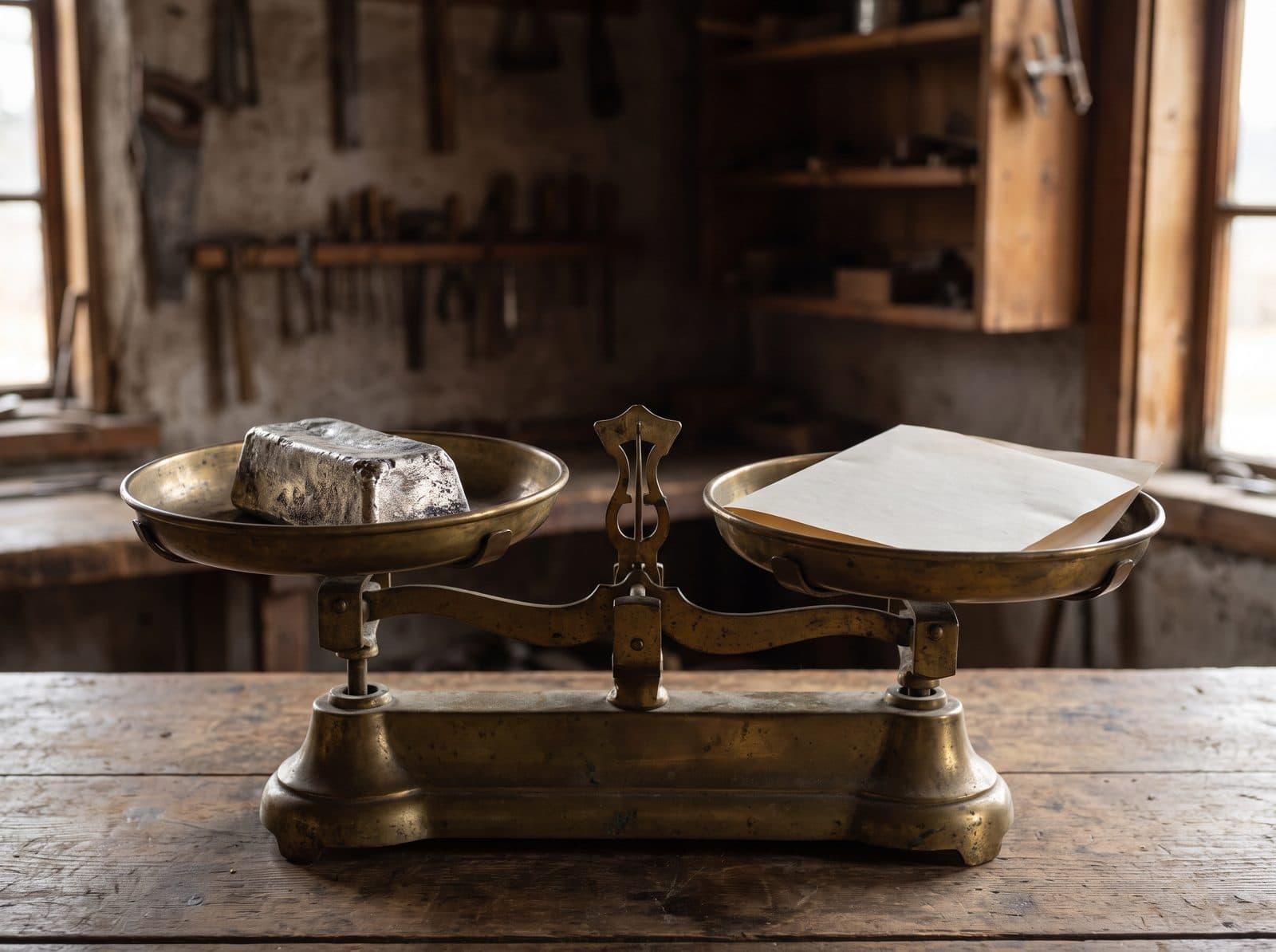
When you sell physical silver, the number that matters is the dealer’s bid for that product, not last night’s London fix.
A bid is what a buyer is willing to pay. An ask (or offer) is what a seller is willing to accept. The gap between them is the spread. Dealers have their own bid and ask. Their ask is the price they charge you to buy. Their bid is the price they will pay if you sell metal back. Those two retail prices straddle the wholesale reference.
You should expect to pay more than spot when you buy and to receive less than spot, or only a small premium back, when you sell common bullion. That is how a shop that holds inventory stays open. A “no-premium” offer that also pays no bid later is not a bargain. It is a different spread.
This is a description of the two prices. It is not a quote, not a typical spread, and not a recommendation to sell.
Figure. Two retail prices around a wholesale reference. Ask is what you pay to buy. Bid is what they pay if you sell that product back. Distances are not a measured spread. Not a live quote. Not advice.
Bid, ask, and the two prices a shop quotes
Spot is not a single frozen number. During market hours it moves as bids and offers change.
On a liquid wholesale screen the spread can be a few cents. That sentence is about wholesale screens. It is not a retail spread, and it is not a number you should expect at a walk-in counter.
On a retail website the “spot” line is usually a mid-market or near-month reference the dealer uses to price products. It is not a promise that you can buy one ounce at that print, and it is not a promise that they will pay you that print if you walk in with a tube.
None of this is a live quote for your kitchen table. By the time you finish the conversation, the wholesale number may have moved.
The relevant number is the bid for that product
Run the same check you used on the way in, in reverse.
When you bought, the invoice was melt plus premium plus shipping, insurance, tax if any, and a payment-method fee. When you sell, shipping and tax may sit on a different sheet, or not apply. The line that still matters is the bid for this product, this quantity, this day.
Compare apples to apples: same coin or bar, same mint or refiner, same quantity. Then the difference between two shops is mostly their bid, not the chart.
A widely recognized 1 oz silver coin is easy to sell in small lots almost anywhere bullion is bid. Generic silver bars are bid closer to melt and may take a longer conversation. Large silver bars are efficient to store and clumsy to sell in grocery-sized slices. You cannot break a 100 oz bar into grocery-sized pieces without a refiner. A tube of 1 oz pieces is a different tool than one large bar.
Those are liquidity observations, not a ranking of what you should own.
What usually keeps a bid
Buyback depends on how easy the piece is to authenticate, how widely it trades, and how hungry that dealer is for inventory that day.
Sovereign coins often keep a larger share of their premium on the way out. Dealers know they can bid on a widely recognized coin with less research. That recognizability is part of what you paid for on the way in.
Generic bars often give more of their value back as melt and less as brand. A generic round from an unknown private mint may cost less up front and fetch a thinner bid later. Neither fact tells you which form is “better.” It tells you what the spread is paying for.
Proof and collector versions of the same design are a different market. Those are priced for condition and scarcity, not as bulk metal. A dealer who bids bullion all day may not be the buyer for a graded collector coin. That is a different conversation, not a defect in the metal. See Bullion vs numismatic.
Read the buyback policy in the same document as the original invoice, or on a linked terms page you actually open. A shop that will not state a bid in writing is telling you something about this transaction, not about silver.
What does not help
Last night’s London fix is not the bid. The LBMA Silver Price is an institutional benchmark for unallocated silver delivered in London. You are not selling a 1,000-ounce London Good Delivery bar when you walk in with a few coins.
A high premium on the way in is not proof that a product will outperform on the way out. A low premium is not proof that a product is a steal to unload. Counterfeits are sometimes offered “near spot.” A price that ignores minting, shipping, and a dealer’s bid should make you slow down, not speed up. See Silver purity, hallmarks, and fakes.
Do not pick a sale from a chart of last week’s premiums. Those numbers go stale. Compare a few live bids for the same form, same quantity, and same payment method. Then you are looking at this week’s spread, not a story about what someone paid in 2020.
This page does not invent a current bid, a typical percent, or a “good” dollar spread. Live bids move.
If the metal sits in an IRA
Selling IRA silver is a custodian transaction, not a walk-in.
Dealer-held metal can be bid by any shop that wants that product. IRA metal can be sold only through the account’s process, to a buyer the custodian will accept, on the custodian’s timeline. That can still be orderly. It is not a walk-in.
Taking the coins home is a distribution, not a pickup. Traditional IRAs also have required minimum distributions. Those are tax rules. Talk to your own tax professional before you treat an IRA vault like a private locker. See Silver IRA vs buying from a dealer.
Spot as a yardstick: What spot price means. Ticket lines: How to read a dealer invoice. Premiums on the way in: Silver premiums, explained.
This article is educational only. It is not a recommendation to buy or sell silver, and it is not tax or investment advice.
FAQ
What number matters when I sell?
The dealer’s bid for that product, that quantity, that day — not last night’s London fix.
What is a bid vs an ask?
A bid is what a buyer is willing to pay. An ask is what a seller is willing to accept. A dealer’s ask is the price they charge you to buy. Their bid is the price they will pay if you sell metal back.
Will I get spot?
You should expect to receive less than spot, or only a small premium back, when you sell common bullion. That is not a live quote.
Do sovereign coins bid better than generic bars?
Sovereign coins are easier to recognize and often keep a larger share of their premium on the way out. Generic bars are often bid closer to melt. That is a liquidity observation, not a ranking.
Can I sell IRA silver at a walk-in counter?
Selling IRA silver is a custodian transaction. Taking the coins is a distribution, not a pickup.