Guide 07 · All guides
Silver Purity, Hallmarks, and How Fakes Show Up
Fineness, common marks, weight, and widely documented counterfeit tells. Facts, not a buy list.
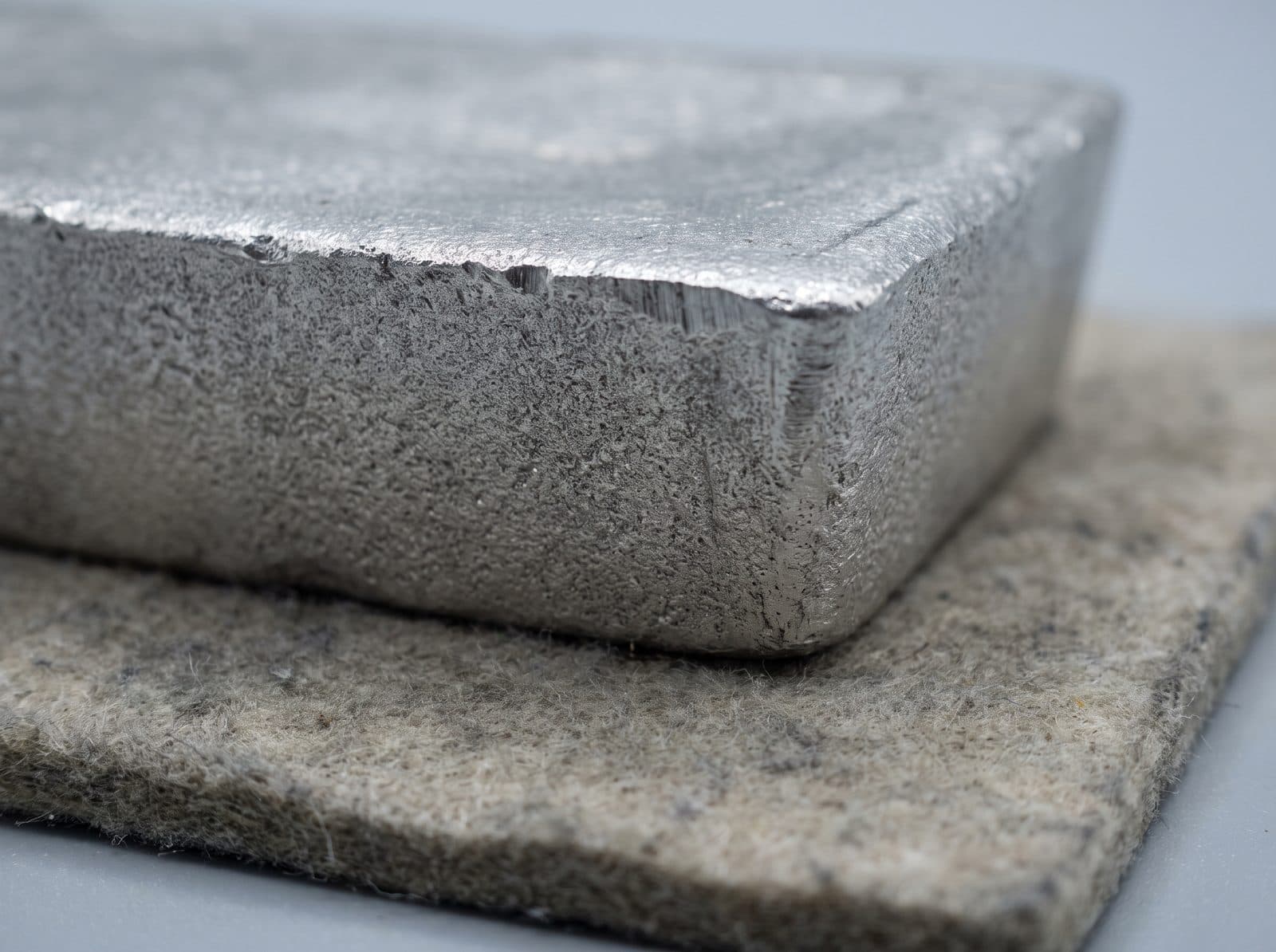
Fineness is a number: how much of the piece is silver. A hallmark is a stamp that claims that number, a weight, and often a maker. Neither one, by itself, proves the piece is genuine. Counterfeits copy stamps. Weight, size, and a few well-documented physical tells are how fakes usually give themselves away.
This is a reading guide, not a shopping list and not a kit list.
What .999 and .9999 mean
Fineness is parts of silver per thousand parts of metal.
- .900
- .925
- .958
- .999
- .9999
| Mark | Meaning | Typical object |
|---|---|---|
| .999 | 999 parts silver per 1,000, or 99.9 percent | Usual retail-bullion grade. Also the minimum London Good Delivery silver fineness (999.0) and the minimum COMEX silver futures assay (999). |
| .9999 | 99.99 percent | Some sovereign coins and some “four-nines” bars. A refining claim, not a promise the piece will sell for more later. |
| .925 | Sterling: 92.5 percent silver, usually with copper | Jewelry or tableware, not modern 1 oz bullion. |
| .900 | 90 percent silver | Old U.S. dime, quarter, and half-dollar alloy. The other 10 percent is copper in the circulating alloy — not a silver statute. |
| .958 | Traditional British Britannia silver standard | Jewelry or circulating coin, not modern 1 oz bullion. |
A 1 oz .999 bar or coin contains one troy ounce of silver plus a trace of other metal. One troy ounce is about 31.103 grams. Invoice math, mint specs, and density checks all use troy weight.
Millesimal stamps (999, 999.9, 9999) and older marks (sterling, 925, coin) can appear on the same kind of object. A “.999” stamp on a 1964 U.S. quarter would be a reason to stop, not a reason to celebrate.
What a hallmark is supposed to show
On institutional bars, the London Bullion Market Association’s Good Delivery rules require a refiner stamp, an assay mark, a fineness figure, a serial number, and (for bars made from January 2019) a month and year of manufacture. Silver Good Delivery bars are large, about 1,000 troy ounces (with a stated tolerance), at a minimum 999.0 fineness. COMEX deliverable silver bars carry weight, fineness, bar number, brand, and, for bars produced from 2025, a production date.
Retail bars and rounds are not London bars. A serious retail piece still usually shows:
- a maker or mint name
- a stated weight (1 oz, 10 oz, 1 kg, 100 oz)
- a fineness stamp (.999 or .9999)
- on larger bars, a serial number
- sometimes an assay card
The card is packaging. The metal is the bar. A matching serial on the card and the bar is a consistency check, not a laboratory assay.
Sovereign coins use a different language. The United States Mint lists the American Silver Eagle as 99.9 percent silver, 1.000 troy ounce (31.103 grams), 40.60 mm across, reeded edge, $1 face value. Statute (31 U.S.C. § 5112(e)) defines that coin. The Canadian Maple Leaf bullion silver coin is struck at 99.99 percent. Those published numbers are what you compare a suspect piece against. A government guarantee is a legal claim about a genuine mint product. It does not make a counterfeit into silver. Product types: Stacking basics.
Hallmarks are easy to fake. Treat a crisp stamp as a label, then test the object.
Weight, dimensions, and density
Pure silver’s density at room temperature is very close to 10.49 grams per cubic centimeter (U.S. Bureau of Standards measurements on annealed silver). That number is useful because common cheap metals do not match it.
Figure. Weight versus size. Lead is denser than silver: a lead-core fake that is the right weight is too small; the right size is too heavy. Copper and zinc are lighter than silver: a copper-core fake that is the right size is too light; the right weight is too large. Direction only — not live lab densities for lead or copper.
The Anti-Counterfeiting Educational Foundation has documented that most fake silver coins it has cut open have centers of lead or copper, or layers of both.
That is why a scale and a caliper, used against the mint’s or refiner’s published spec, catch a large class of fakes. The American Silver Eagle should weigh 31.103 grams and measure 40.60 mm. A generic 10 oz .999 bar should weigh about 311 grams and match that refiner’s published length, width, and thickness. “About” matters: scales have tolerance, and poured bars vary more than minted coins. A piece that is off by a gram on a 1 oz coin is not a rounding error.
Density (weight divided by volume, or a specific-gravity check in water) looks at the whole object, not the skin. A plated bar can look right on the surface and still fail density. Do the arithmetic. Do not guess by heft in the hand.
Magnets, and why they are not enough
Fine silver is not ferromagnetic. A refrigerator magnet should not snap to a genuine .999 bar or Eagle. A piece that jumps to a magnet has a ferrous core or a ferrous alloy. That is an old, useful screen.
It is no longer a complete screen. The same educational foundation has warned that newer fakes use non-magnetic cores — lead, copper, brass, titanium — under a silver-colored plate. Those pieces pass a pocket magnet and still fail weight and size. A magnet that does not stick means “not obvious iron.” It does not mean “silver.”
Silver is weakly diamagnetic: a strong neodymium magnet sliding on a genuine coin can drag slightly. That effect is subtle. It is easy to misread. Do not treat a slow slide as proof.
Widely documented counterfeit tells
These are patterns that keep showing up in seized and cut-open fakes, not a complete catalog.
Wrong mass or size. The most common tell. The piece cannot match both the published weight and the published dimensions if the core is the wrong metal.
Magnetic attraction. Still common on crude fakes. Fatal when present. Not reassuring when absent.
Soft or smeared detail. Cast copies of struck coins often show mushy letters, filled-in hair, or a “wet” look in the fields. Reeded edges may be uneven, too few, or too many.
Seams and plating wear. A line around the edge, or a yellow or gray metal showing on a high point or a test cut, is a plated base-metal core.
Fantasy hallmarks. A famous refiner name with the wrong font, a serial format that refiner does not use, or a “.999” bar with no maker at all.
Price that ignores fabrication. A brand-new sovereign coin offered far below other live quotes for the same product is a reason to slow down. That is not a market tip. It is a fraud pattern. Premiums: Silver premiums explained.
Surface-only tests. X-ray fluorescence reads the skin. A thick plate of real silver over a copper or lead core can look fine on a cheap XRF pass. Dealers who take this seriously pair a surface reading with weight, dimensions, or an internal method (ultrasound or conductivity through the body). This article does not name devices.
A ping or ice-melt parlor trick can be consistent with silver’s stiffness and thermal conductivity. Both are easy to fool and easy to mis-hear. They are not a substitute for weight and size against a published spec.
No home test makes you an assayer. A piece that fails a basic check is a problem. A piece that passes a basic check is only “not an obvious fake.” Large bars and high-value lots are why professional intake exists.
Do not buy a particular coin, tester, or dealer “to stay safe.” Compare the object to its published weight, fineness, and dimensions. If those do not exist, you do not yet know what you are holding.
This article is educational only. It is not a recommendation to buy or sell silver, and it is not tax or investment advice.
FAQ
Does a hallmark prove a piece is genuine?
No. Fineness is a number. A hallmark is a stamp that claims that number, a weight, and often a maker. Neither one, by itself, proves the piece is genuine. Counterfeits copy stamps.
What do .999 and .9999 mean?
Fineness is parts of silver per thousand. .999 means 99.9 percent (usual retail-bullion grade; also the minimum London Good Delivery silver fineness and COMEX silver futures assay). .9999 means 99.99 percent. The extra nine is a refining claim, not a promise the piece will sell for more later.
Is a refrigerator magnet enough?
Fine silver is not ferromagnetic, so a snap to a magnet is a useful screen. It is no longer a complete screen. Newer fakes use non-magnetic cores. A magnet that does not stick means “not obvious iron.” It does not mean “silver.”
What is the most common tell?
Wrong mass or size. The piece cannot match both the published weight and the published dimensions if the core is the wrong metal.
Is this a shopping list or a tester kit list?
No. This is a reading guide, not a shopping list and not a kit list. This article does not name devices.