Guide 03 · All guides
Stacking Basics: Coins, Rounds, Bars, and 90% “Junk” Silver
What coins, rounds, bars, and “junk” 90% silver actually are. Purity, recognizability, and melt vs face.
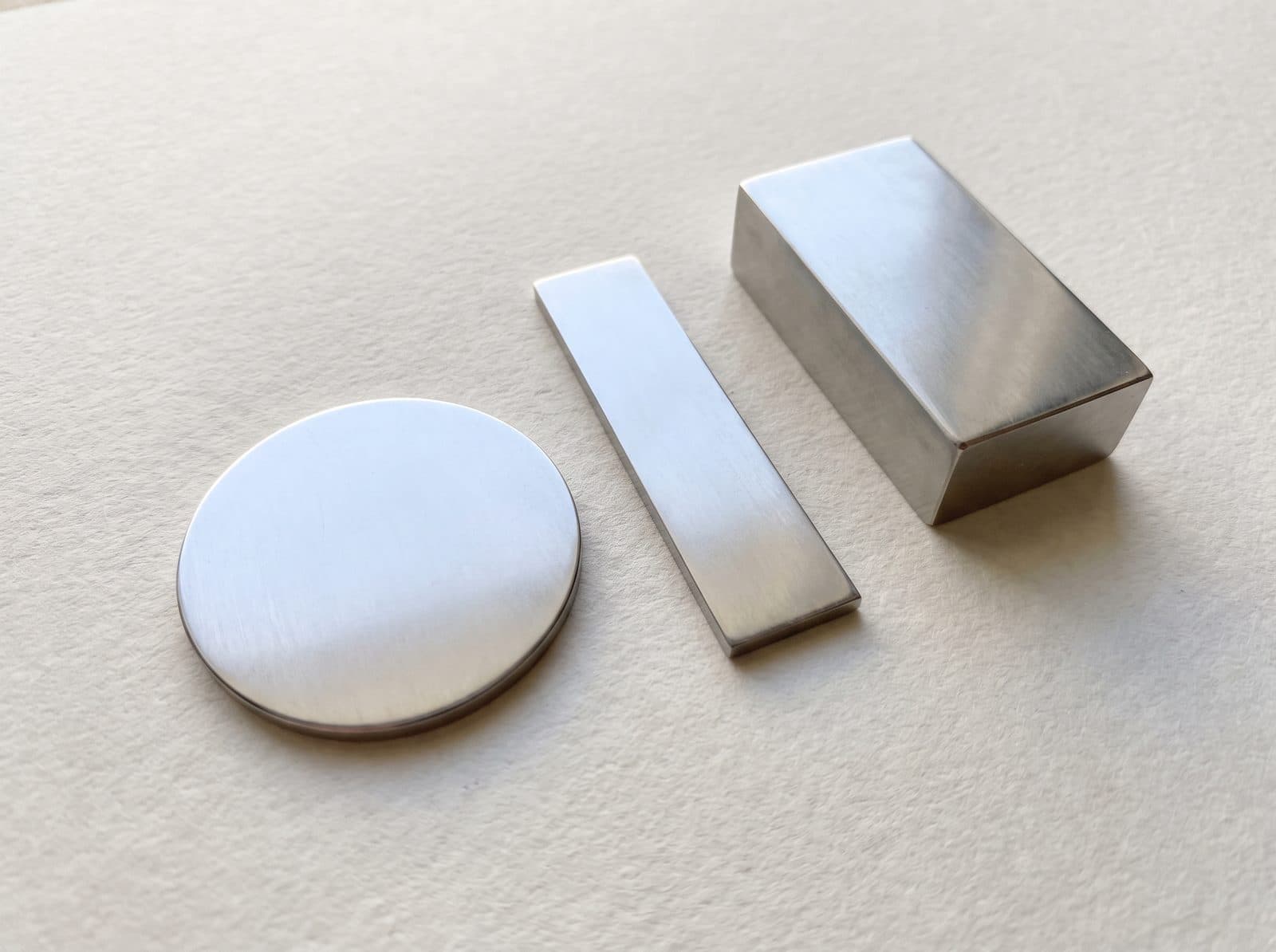
Physical silver comes in a few common forms. Coins are legal-tender pieces from a government mint. Rounds look like coins but are not money. Bars are poured or minted blocks of stated weight. “Junk” silver is older U.S. coinage that is 90% silver by weight, sold for its metal, not its face value.
Those labels tell you about purity, recognizability, and how the piece is priced. They do not tell you which form to choose.
On a narrow screen, scroll sideways for the full diagram.
Coins (sovereign bullion)
A bullion coin is struck by a national mint and is legal tender at a face value that is far below the metal. The face value is a legal status, not the market price. You will never spend an American Silver Eagle as a dollar in a store and come out ahead. The metal is the point.
Typical modern bullion coins contain one troy ounce of fine silver at a stated fineness of .999 or .9999. One troy ounce is about 31.103 grams.
The American Silver Eagle is defined in U.S. law (31 U.S.C. § 5112(e)). It is 40.6 millimeters across, weighs 31.103 grams, contains .999 fine silver, and has a one-dollar face value and a reeded edge. The United States Mint guarantees the weight and purity. The Mint’s own product page lists composition as 99.9% silver and diameter as 40.60 mm.
The Canadian Silver Maple Leaf is struck by the Royal Canadian Mint. Current bullion issues are 99.99% pure silver, one troy ounce (the Mint lists 31.11 grams), 38 mm in diameter, with a $5 Canadian face value. Recent Maple Leafs also carry mint security features such as radial lines and a micro-engraved maple leaf.
Other sovereign 1 oz coins exist (Britannia, Philharmonic, and others). They share the same idea: a government mint, a stated ounce, a tiny face value, and a premium above melt that usually sits above generic rounds.
Coins are easy to recognize. Dealers and other buyers have seen millions of them. That recognizability is why they often cost more to buy and can be easier to sell in small lots. Proof and collector versions of the same design are a different market. Those are priced for condition and scarcity, not as bulk metal.
Rounds
A round is a privately minted disc of silver. It may show a design, a weight, and a fineness stamp. It is not legal tender. It is not a government coin.
Most investment rounds are .999 fine and one troy ounce, though other sizes exist. Because there is no sovereign mint and no legal-tender wrapper, fabrication and brand cost are usually lower. Premiums are often lower than for Eagles or Maples of the same ounce count.
The tradeoff is recognition. A well-known private mint with a clear hallmark is easier to resell than an unmarked disc. An unknown round may still be good silver. The next buyer may still want a test or a discount. Rounds are a melt product with a picture on them, not a coin.
Bars
Bars are about weight. Common retail sizes include 1 oz, 5 oz, 10 oz, 1 kilogram (about 32.15 troy ounces), and 100 oz. Institutional bars are much larger. COMEX deliverable silver is typically five bars of about 1,000 troy ounces. London Good Delivery silver bars are also about 1,000 troy ounces (the official weight range is 750 to 1,100 troy ounces) at a minimum fineness of 999.0.
Retail bars are usually .999 fine. Many carry a refiner hallmark, a stated weight, a fineness stamp, and, on larger bars, a serial number. Some come in an assay card. The card is packaging. The metal is the bar.
Larger bars usually cost less per ounce than coins or rounds because there is less manufacturing and handling per ounce. They are less convenient to sell in small slices. You cannot break a 100 oz bar into grocery-sized pieces without a refiner. If you later want to sell a few ounces at a time, a tube of 1 oz pieces is a different tool than one large bar.
Poured bars can show cooling ripples. Minted bars have sharp corners and stamped faces. Neither texture proves authenticity by itself. Weight, dimensions, and the hallmark matter more than whether the surface looks “handmade.” See Silver purity, hallmarks, and fakes.
“Junk” 90% silver
“Junk” is shop slang, not an insult to the coins. It means circulated U.S. dimes, quarters, and half dollars whose extra value is the silver, not a collector grade.
For decades, U.S. dimes, quarters, and half dollars were 90% silver and 10% copper. The Coinage Act of 1965 removed silver from circulating dimes and quarters and reduced it in half dollars (those halves later went to copper-nickel clad). As a rule of thumb, U.S. dimes and quarters dated 1964 or earlier are 90% silver. Half dollars dated 1964 or earlier are also 90%. Do not assume a later date is silver.
The 10% here is copper in the circulating alloy. It is not a silver origin statute and not a purity test for modern bullion.
These coins were not struck as 1 oz bullion. A dime, quarter, or half has a small, fixed silver content. Dealers often trade 90% in bags measured by face value (for example, $1,000 face) and estimate fine ounces from that face value, adjusting for wear. Circulated coins are slightly lighter than mint-spec coins, so the melt is an estimate, not a lab assay of each piece.
Ninety percent silver is less fine than a .999 bar. The copper is there on purpose. It made circulating coins last. Melt math has to use 0.900 fineness, not 0.999. People still use 90% because the coins are familiar, divisible, and already in small units. They are also easier to mistake for modern clad coins if you do not check the date and the edge.
War nickels (1942–1945 with the large mintmark) and 40% Kennedy halves (1965–1970) are different alloys. They are not “90% junk.” Name the alloy before you name the melt.
Recognizability versus melt
Melt answers: how much silver is in this? Recognizability answers: how quickly will a typical dealer or buyer accept it at a known premium?
| Form | What it is | Typical fineness | What you are paying for |
|---|---|---|---|
| Sovereign coin | Legal-tender piece from a government mint | .999 or .9999, usually 1 troy oz | Recognition; usually costs more per ounce |
| Round | Privately minted disc; not money | Usually .999, 1 troy oz | Melt with a picture; often a lower premium |
| Bar | Poured or minted block of stated weight | Usually .999; retail 1 oz–100 oz; institutional ~1,000 oz | Ounces per dollar; clumsy to sell in small slices |
| 90% “junk” | Circulated U.S. dimes, quarters, halves | 0.900 (90% silver, 10% copper) | Small familiar pieces; melt is estimated from face value |
None of those scores is a verdict. A person who wants one well-known coin and a person who wants a 100 oz hallmark bar are solving different storage and resale problems. Mixing forms is common. Treating every ounce as identical is how people get surprised by premiums.
Whatever the form, the invoice should still show weight, fineness or coin type, quantity, and the extra over melt. If those lines are missing, you do not yet know what you are stacking. See How to read a dealer invoice and Silver premiums explained.
This article is educational only. It is not a recommendation to buy or sell silver, and it is not tax or investment advice.
FAQ
What are the common forms?
Coins are legal-tender pieces from a government mint. Rounds look like coins but are not money. Bars are poured or minted blocks of stated weight. “Junk” silver is older U.S. coinage that is 90% silver by weight, sold for its metal, not its face value.
Is the face value of a bullion coin the market price?
No. The face value is a legal status, not the market price. The metal is the point.
Are rounds the same as coins?
No. A round is a privately minted disc. It is not legal tender. It is not a government coin.
What does “junk” mean here?
Shop slang, not an insult. Circulated U.S. dimes, quarters, and half dollars whose extra value is the silver, not a collector grade. As a rule of thumb, U.S. dimes and quarters dated 1964 or earlier are 90% silver. Do not assume a later date is silver. The 10% is copper in the alloy, not a silver statute.
Which form should I choose?
The article does not say. Those labels tell you about purity, recognizability, and how the piece is priced. They do not tell you which form to choose.