Guide 19 · All guides
What "melt value" means on a product sheet
Some product sheets show a line called "melt value." It is the value of the silver inside the item, worked out from its weight, its purity and a spot price. It is a reference number, not the price on the listing.
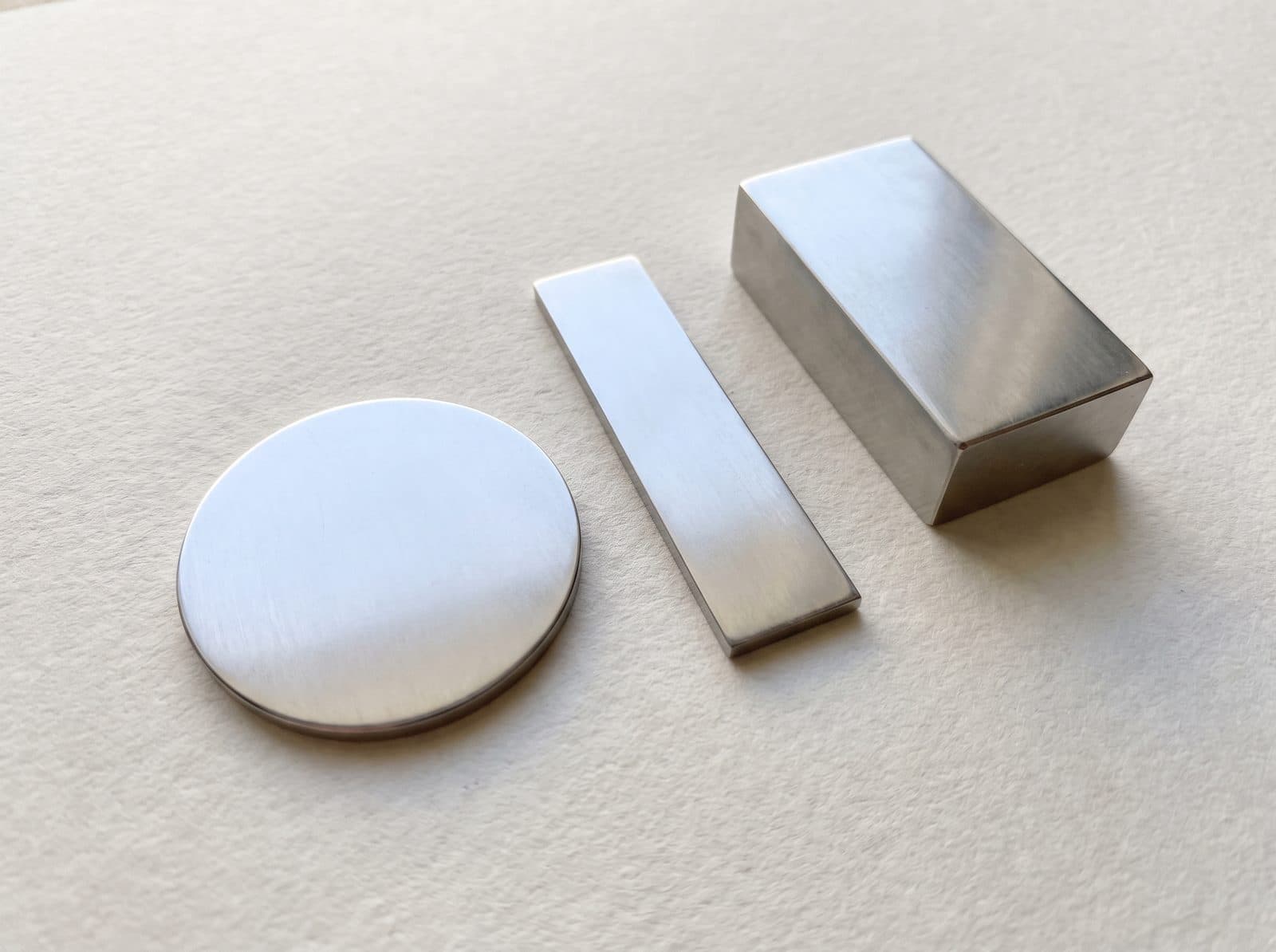
Some product sheets show a line called "melt value." It is the value of the silver inside the item, worked out from its weight, its purity and a spot price. It is a reference number, not the price on the listing.
This page explains the term. For the general framing of these guides, see the educational disclaimer.
The short definition
Melt value = silver content in troy ounces x spot price per troy ounce.
That is all it is. It ignores the design, the mint, the packaging, the condition and anything a collector might care about.
The two inputs: silver content and spot
- Silver content: the gross weight times the fineness. A piece marked .999 fine is 99.9% silver by weight. A piece made of a lower-fineness alloy contains less silver than its total weight. Weights are in troy ounces: what a troy ounce means. Purity marks: silver purity, hallmarks and fakes.
- Spot price: a reference price for one troy ounce of raw silver that moves through the day. More: what spot price means.
A labeled example
Example only. Made-up item, and no real spot price. "S" stands for whatever spot happens to be when you read a sheet.
- Item: a generic round, 1 troy oz gross weight, .999 fine.
- Silver content: 1 x 0.999 = 0.999 troy oz.
- Melt value: 0.999 x S.
A second example only, a made-up 2 troy oz piece at .999 fine: 2 x 0.999 = 1.998 troy oz, so melt value is 1.998 x S.
When spot moves, melt value moves with it, because S is the only part that changes. The silver content stays the same.
Melt value next to the listed price
The price on a listing is usually not the same as melt value. The gap between them is the premium: making, distributing and selling the item, plus any collector demand. More: silver premiums explained and bid vs ask.
Melt value answers "how much silver is in this?" The listed price answers "what is this seller asking?" They are two different questions, so seeing both on a sheet is normal.
Where melt value gets tricky
- Stale spot: a sheet may calculate melt value from a spot reading taken earlier. Check whether it shows a time.
- Gross vs fine weight: if a sheet multiplies the gross weight instead of the silver content, a lower-fineness piece looks like it holds more silver than it does.
- Older coins: some older coins are a silver alloy, not .999. More: what "junk silver" means.
- Collector pieces: a proof or graded coin can list far from its melt value, because the listing is about more than the metal.
FAQ
Is melt value what I would get if I sold?
Not necessarily. Melt value is a calculation of metal content times spot. What a buyer offers is a separate number, explained on bid vs ask.
Why does melt value change while I'm looking at the page?
Because spot changes. The silver content in the item does not.
Does every product sheet show melt value?
No. If it does not, you can work it out yourself: silver content in troy ounces times the spot price you are looking at.
Is melt value the same as spot?
Only for exactly one troy ounce of pure silver. For anything else, multiply by the actual silver content.